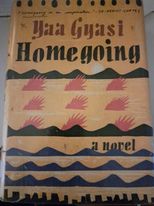
One of the great treasures of American society is the public library. When we arrived and had proof of our address, I quickly convinced my hubby that it was time to sign up for a library card. Then the overwhelming part faced me. How do I choose what book to read? What mood do I find myself in? What do I want to read?
I took a few suggestions from my Mom, read some more books by an author I chanced upon while buying a book for my trans-world airline trip, and then picked a few titles based on some movie titles I saw (never saw the movies, just read the book). I’ve actually “devoured” quite a few books since I have been here although arguably, I don’t have a lot of spare time in my life. I’ve squeezed in some reading on the weekends, and it has been a good thing.
One book that I knew nothing about but just haphazardly grabbed off the shelf was “Homegoing” by Yaa Gyasi. It really helped me see some things that I didn’t fully understand about my brothers and sisters of color. At times of increased racial tension, I have heard white people ask why they have to apologize for slavery since it happened in the past and they had nothing to do with it. “Homegoing” helped me understand this better as I experienced the lives of this fictional family.
The book is fascinating because it begins with the stories of two sisters separated from one another by circumstance. Just when I started feeling really engaged with a character, it would switch to another. While I initially felt jarred by all the cliff-hangers, wanting to know more about their stories, I found the author was skillfully introducing the readers to the successive generations in the family of these two women.
One of the core beliefs of American culture is that you can be different from previous generations. If you work hard and choose differently, you can break the cycles of the past and forge a new path. No matter how far we think we can diverge from the past, we do have an unbreakable relationship with it. There are things we take from our parents, grandparents, great-grandparents because of their relational influence but also because of the very genes we have. Slavery was not only relegated to the 86 years (1776-1862) but it had a resounding impact on their children, grandchildren, great-grandchildren, and beyond. While I did believe this based on the societal systems that developed after Emancipation, what I appreciate about this book was the fact that it helped me look at its impact on a particular family. This took it from a heady “idea” to flesh and bones. While I often found myself putting myself in the shoes of the characters–what would I feel about this? How would I react?, I also found myself gaining a greater understanding of how slavery impacted successive generations and how it resonates still throughout history. While it isn’t part of my experience, I can build greater empathy and understanding. That’s why we should read…to try to see and understand.
 sharonbernhardt